Practical Workshop Mastery
Jigsaw Practical Guides & Field Techniques
Resolve every cutting challenge before making your first cut: from choosing the right TPI blade to zero-tearout melamine cutting, metal lubrication, and dust containment.

The Best Jigsaw Blade Sets: Contractor Multipacks Worth Buying
Stop buying individual blades. Discover which contractor multipacks deliver the highest cost-per-blade value on American jobsites.
Read Step-by-Step Guide
Brushless Motors in Modern Jigsaws: Worth the Extra Cost?
Examine whether upgrading to a brushless motor delivers tangible jobsite advantages or if standard brushed tools remain adequate.
Read Step-by-Step Guide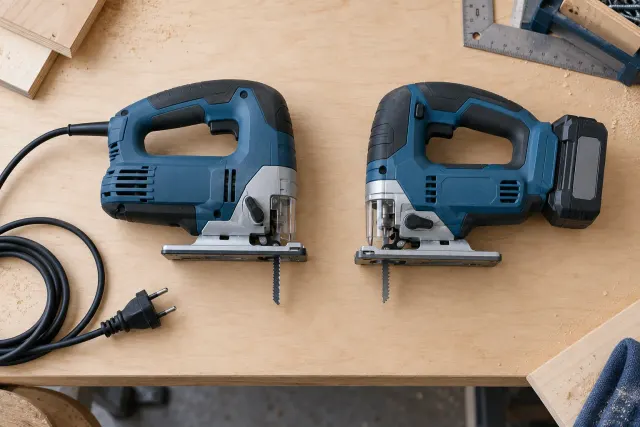
Corded vs. Cordless Jigsaws: Which Power Platform Fits Your Shop?
A direct head-to-head comparison to help you choose between 120V corded reliability and 20V/18V lithium-ion freedom.
Read Step-by-Step Guide
How to Cut Acrylic, Plexiglass, and Polycarbonate with a Jigsaw Without Melting
Discover the machine calibration, blade tooth geometry, and cooling tricks needed to cut transparent acrylic without the kerf re-welding behind your saw.
Read Step-by-Step Guide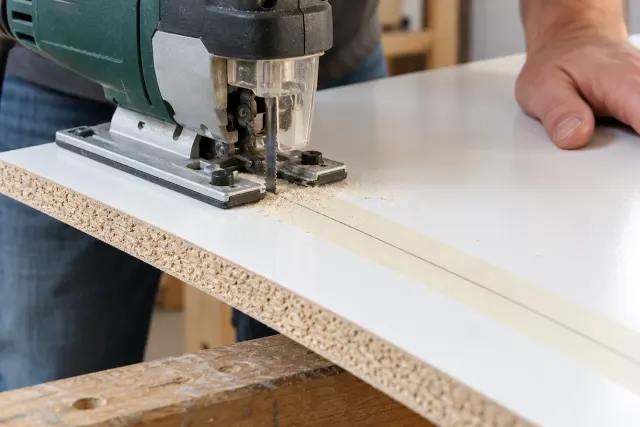
How to Cut Melamine and Double-Sided Laminate Without Chipping
Discover the exact blade choices, scoring techniques, and machine setup required to achieve splinter-free edges on white melamine boards.
Read Step-by-Step Guide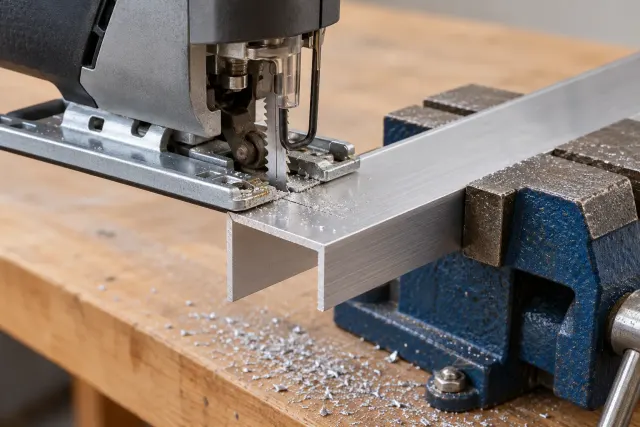
How to Cut Aluminum Sheet & Profiles with a Jigsaw
Learn the secrets to cutting non-ferrous aluminum cleanly without dulling blades or binding in soft metal.
Read Step-by-Step Guide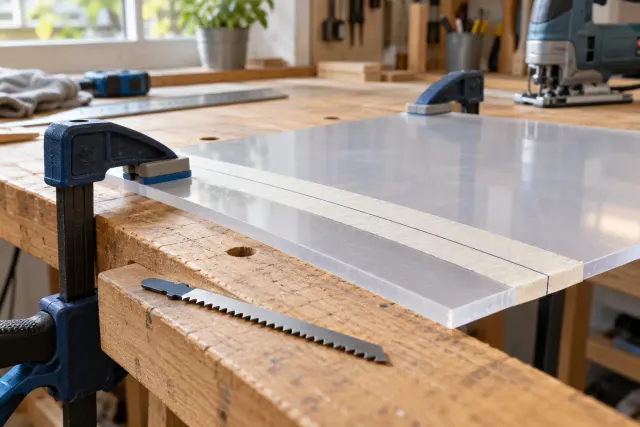
How to Cut Plastics, Acrylic & PVC with a Jigsaw
Prevent plastic from re-welding behind your cut line. Master blade selection, cooling, and stroke speed.
Read Step-by-Step Guide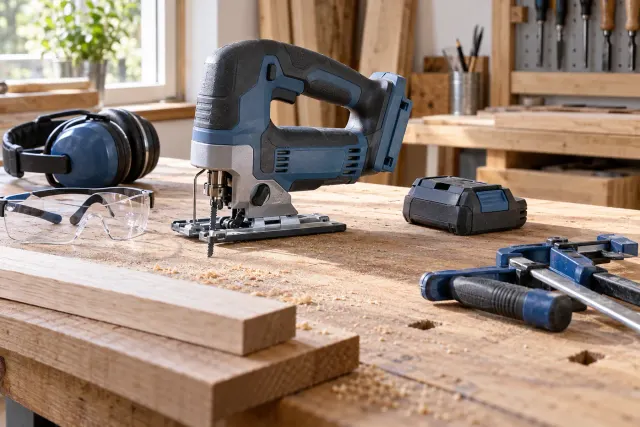
Essential Jigsaw Safety Rules: PPE, Clamping, and Best Practices
Stay safe in the shop. Review mandatory personal protective equipment, clamping rules, and kickback prevention techniques.
Read Step-by-Step Guide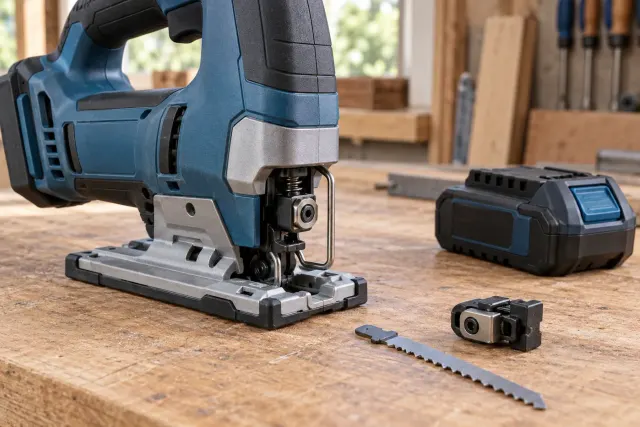
How to Change a Jigsaw Blade Safely: Step-by-Step Guide
Learn how to insert and eject T-shank jigsaw blades correctly without burning your fingers or jamming the quick-release chuck.
Read Step-by-Step Guide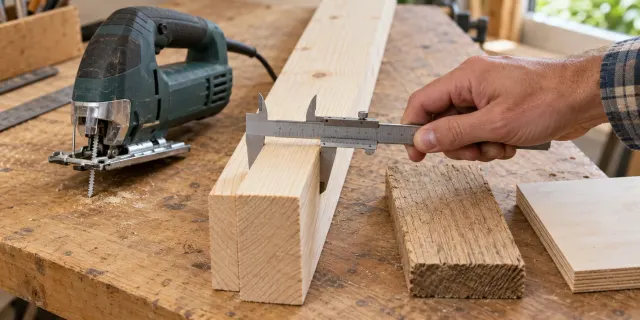
How to Choose the Best Jigsaw: The Features That Really Matter
Avoid buying underpowered consumer saws. Learn which motor specifications, base plate designs, and grip profiles deliver true contractor-grade precision.
Read Step-by-Step Guide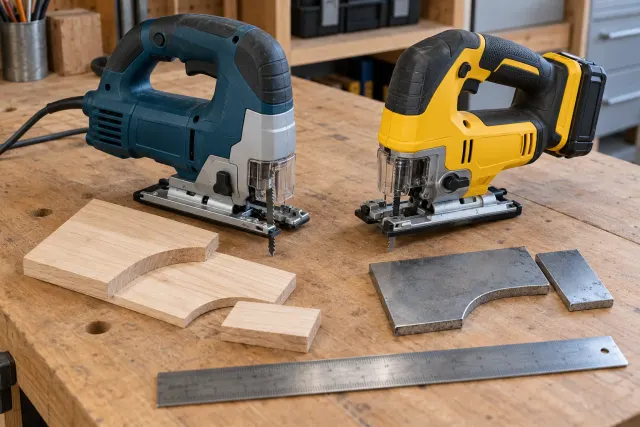
How to Compare Jigsaws: Decoding Technical Spec Sheets
Cut through marketing fluff. Learn which numbers on a tool box dictate real cutting speed, accuracy, and endurance.
Read Step-by-Step Guide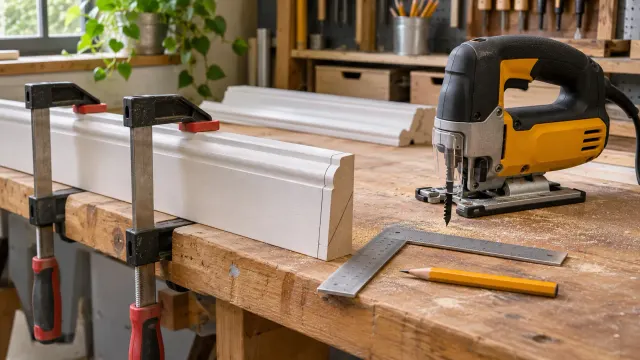
How to Cut Baseboards and Trim Molding with a Jigsaw
Master coping inside corners and scribing baseboard trim to fit perfectly against wavy plaster walls.
Read Step-by-Step Guide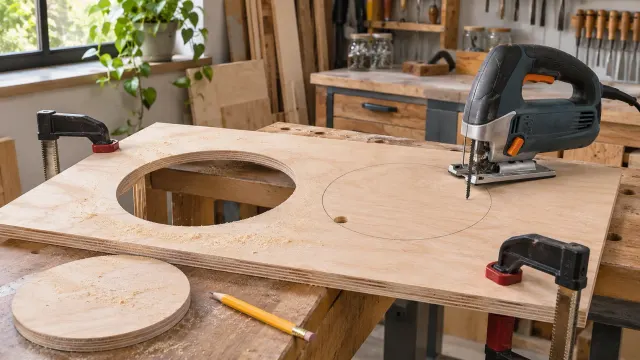
How to Cut Perfect Circles and Tight Curves with a Jigsaw
Master clean curved cuts and dead-round circles using narrow-kerf scroll blades and DIY trammel compass jigs.
Read Step-by-Step Guide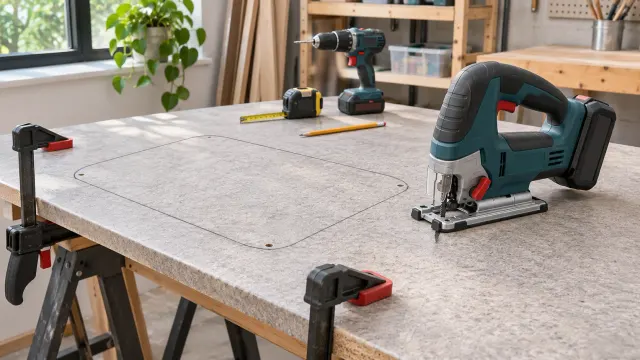
How to Cut a Laminate Countertop for a Sink with a Jigsaw
Learn how to prepare your countertop, drill pilot holes, prevent heavy drop-outs, and cut chip-free sink openings with a jigsaw.
Read Step-by-Step Guide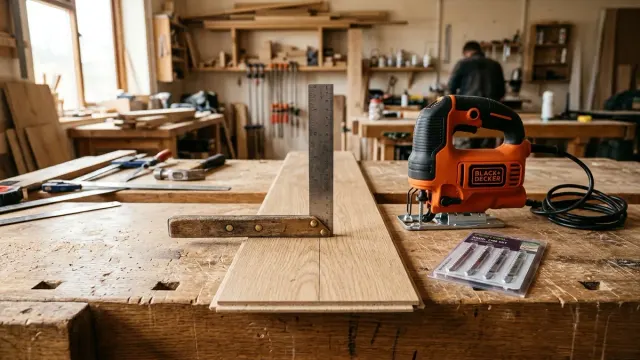
How to Cut Laminate Flooring with a Jigsaw Without Chipping the Edges
Learn how to select reverse-tooth blades, manage blade tooth direction, and adjust jigsaw speed to achieve chip-free cuts on laminate flooring.
Read Step-by-Step Guide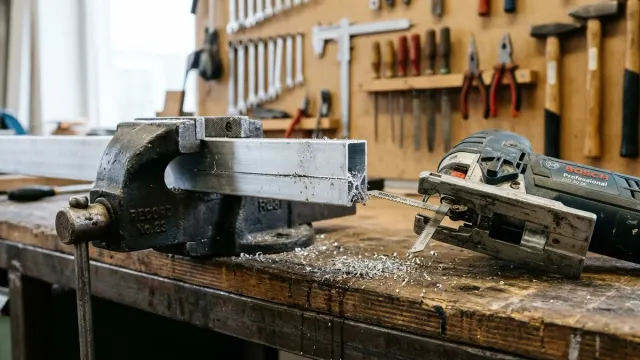
How to Cut Metal and Aluminum with a Jigsaw Without Ruining Blades
Dial in exact machine settings, apply essential cutting lubricants, and select proper TPI blades to cut sheet metal and aluminum smoothly.
Read Step-by-Step Guide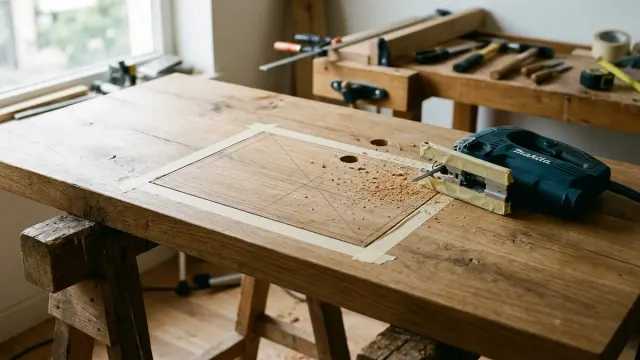
How to Cut Out Kitchen Sink Countertops with a Jigsaw
Step-by-step master guide to cutting drop-in sink and cooktop openings in laminate countertops without tear-out.
Read Step-by-Step Guide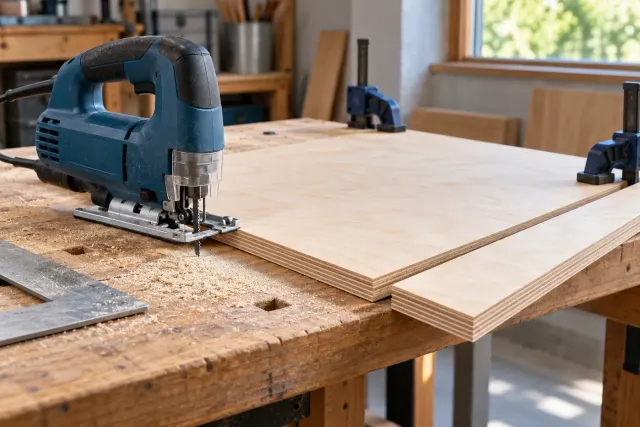
How to Cut Plywood Cleanly with a Jigsaw: Zero Splinters
Stop ruining expensive hardwood plywood sheets. Learn how to prevent top and bottom veneer splintering on every cut.
Read Step-by-Step Guide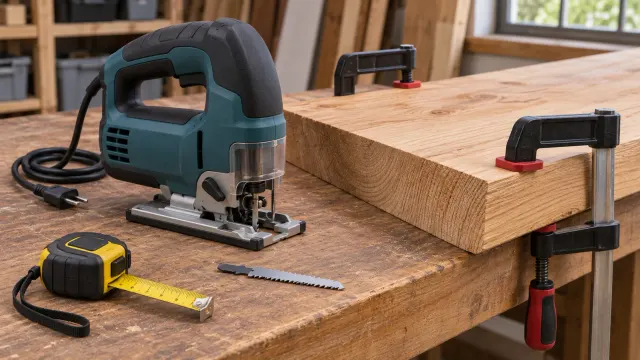
How to Cut Thick Timber, 2x4s and Hardwood with a Jigsaw
Master deep cuts in 2x4 framing studs, solid oak butcher blocks, and heavy timber without burning blades or bogging down motors.
Read Step-by-Step Guide
How to Cut Wall Tile & Ceramics with a Jigsaw: Carbide Grit Blades
Master curved and U-shaped cutouts in bathroom and kitchen ceramic wall tiles using carbide grit blades.
Read Step-by-Step Guide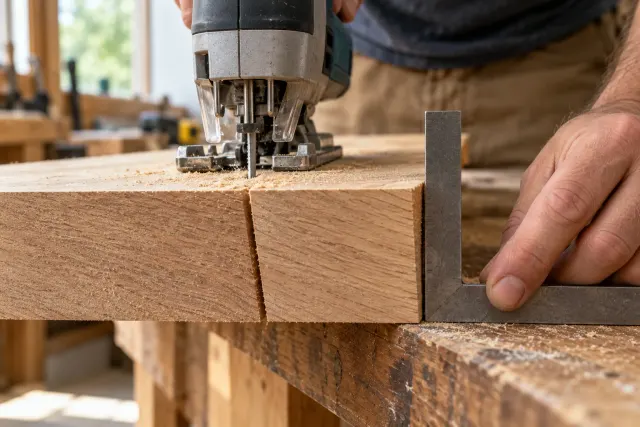
Why Your Jigsaw Cuts Crooked: Causes, Blade Deflection & Calibration
A systematic diagnostic guide to eliminate curved drift, blade deflection, and non-square 90-degree edges.
Read Step-by-Step Guide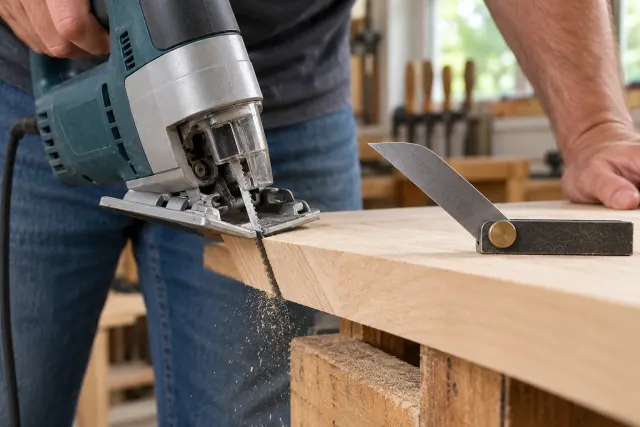
How to Make 45-Degree Bevel Cuts with a Jigsaw Accurately
Dial in footplate bevel detents, calibrate blade angle with a square, and prevent blade deflection on 45-degree jigsaw cuts.
Read Step-by-Step Guide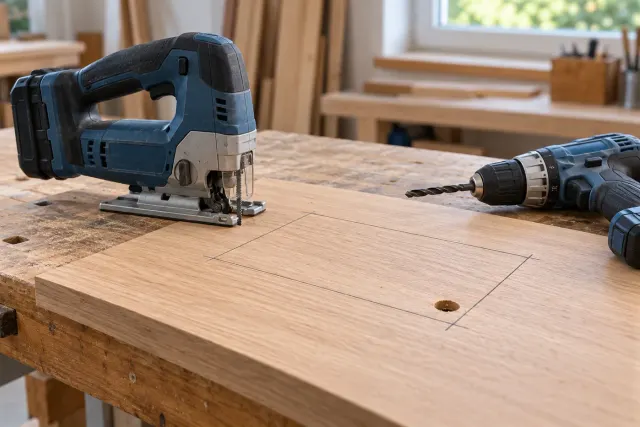
How to Make Internal Cutouts and Plunge Cuts with a Jigsaw
Master clean interior cutouts in countertops, cabinet backs, and subflooring without breaking blades.
Read Step-by-Step Guide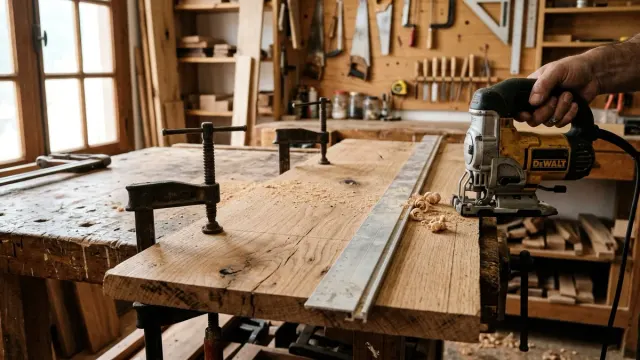
How to Make Laser-Straight Cuts with a Jigsaw: Workshop Setup & Clamping
Transform your jigsaw into a precise straight-cutting tool using clamped straight edges and proper feed mechanics.
Read Step-by-Step Guide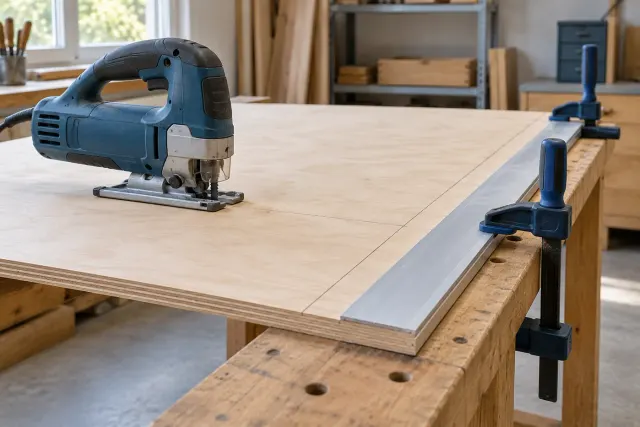
How to Use a Jigsaw Rip Fence and Edge Guide for Straight Rips
Learn how to calibrate parallel edge guides and clamped straightedges to make repeatable, straight cuts with your jigsaw.
Read Step-by-Step Guide
Inverted Jigsaw Tables: Pros, Cons, and Crucial Safety Guidelines
Mounting a jigsaw under a table turns it into a pseudo scroll saw, but demands strict safety protocols.
Read Step-by-Step Guide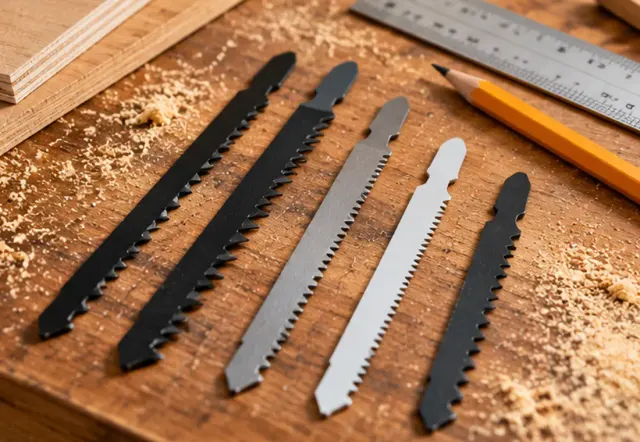
Types of Jigsaw Blades: The Complete Guide to T-Shank, TPI, and Materials
Decode shank types, tooth counts (TPI), metallurgy, and cut direction to choose the perfect blade for wood, metal, plastic, or ceramics.
Read Step-by-Step Guide
How to Maximize Dust Extraction on a Jigsaw: Workshop Cleanliness Guide
Connect shop vacuums properly, configure dust blower selector switches, and control harmful airborne wood dust when cutting with a jigsaw.
Read Step-by-Step Guide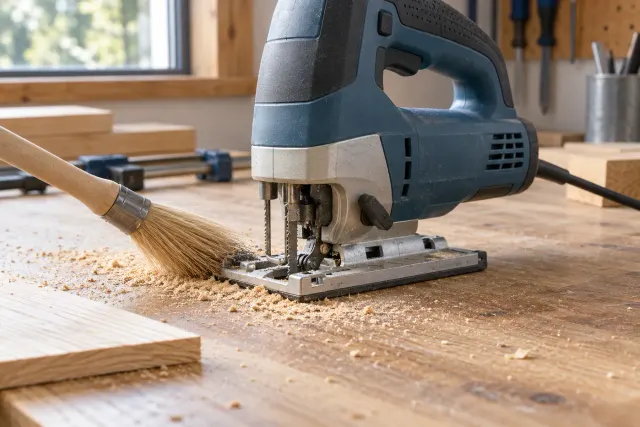
Jigsaw Maintenance & Cleaning: Pro Care for Long Tool Life
Extend the lifespan of your jigsaw with simple 5-minute cleaning, lubrication, and inspection routines.
Read Step-by-Step Guide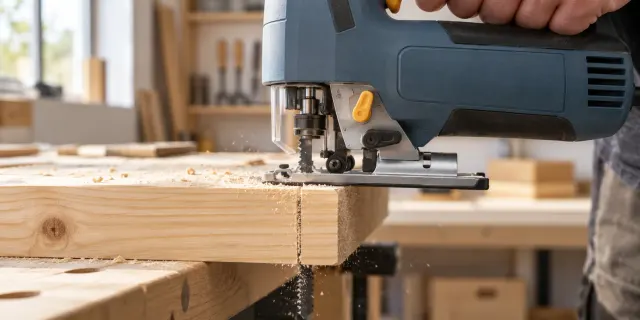
Jigsaw Orbital Action Explained: When to Use Each Setting (0 to 3)
Demystify the orbital action lever. Learn which setting delivers maximum speed and which setting guarantees chip-free cuts.
Read Step-by-Step Guide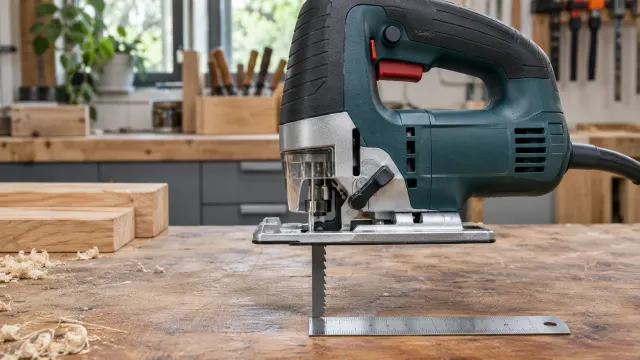
Jigsaw Stroke Length Explained: Why It Dictates Cutting Speed
Understand why a 1-inch stroke length outperforms a 3/4-inch stroke in heavy framing lumber and production speed.
Read Step-by-Step Guide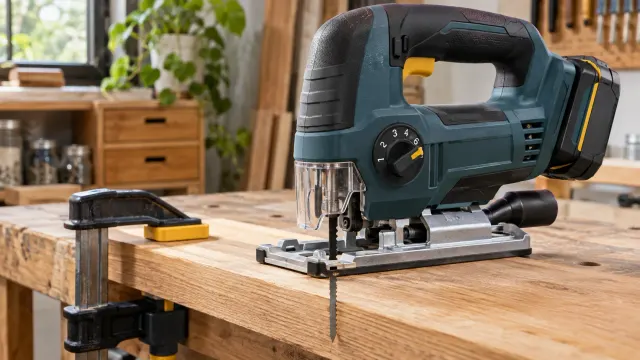
Jigsaw Variable Speed Control: Matching SPM to Materials
Stop running at full speed for everything. Learn how setting the proper SPM prevents burned timber and ruined blades.
Read Step-by-Step Guide
Jigsaw vs. Circular Saw: Which Tool Do You Actually Need?
A direct face-off comparing versatile curve cutting against aggressive, lightning-fast sheet goods ripping.
Read Step-by-Step Guide
Jigsaw vs. Reciprocating Saw (Sawzall): Precision vs. Demolition
Compare fine precision scrollwork against aggressive demolition cutting: when to use a jigsaw vs. a reciprocating Sawzall.
Read Step-by-Step Guide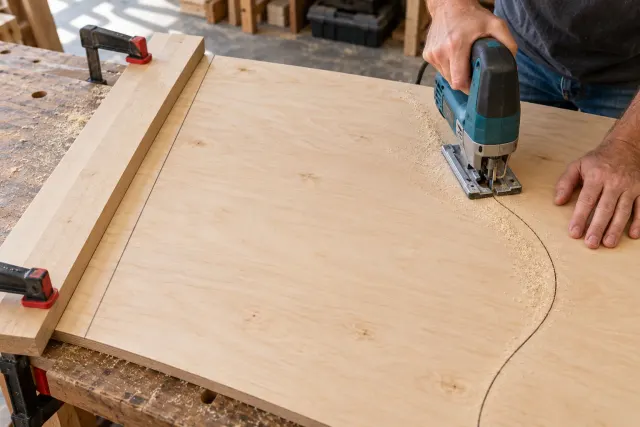
Mastering Straight and Curved Jigsaw Cuts: Essential Techniques
A jigsaw can cut dead-straight lines and intricate circles when set up with the correct blade width and feed pressure.
Read Step-by-Step Guide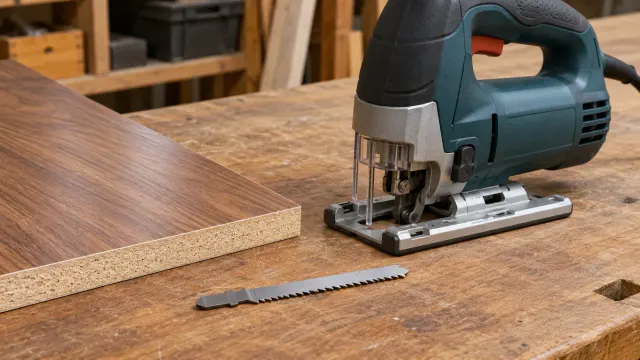
Reverse-Tooth Jigsaw Blades: How Down-Cut Blades Work
Learn how downward-cutting jigsaw blades produce razor-clean cuts on the visible top face of countertops and flooring.
Read Step-by-Step Guide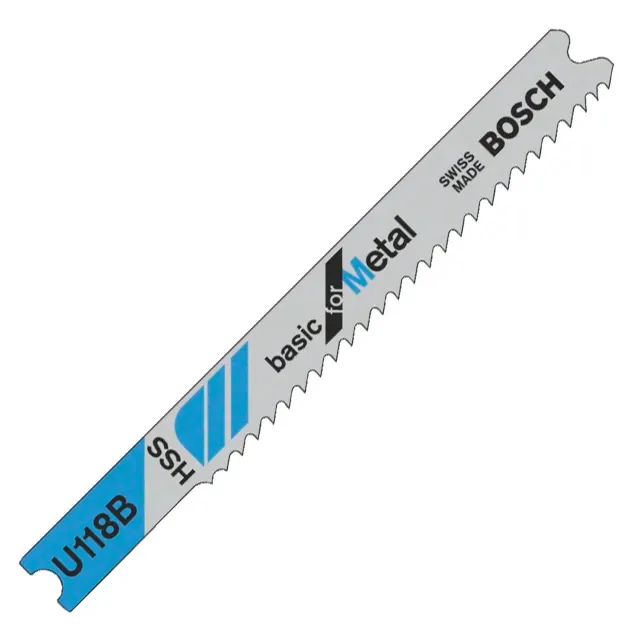
T-Shank vs. U-Shank Jigsaw Blades: Differences & Compatibility
Understand why the power tool industry standardized on T-shank blades and whether older U-shank blades fit your saw.
Read Step-by-Step Guide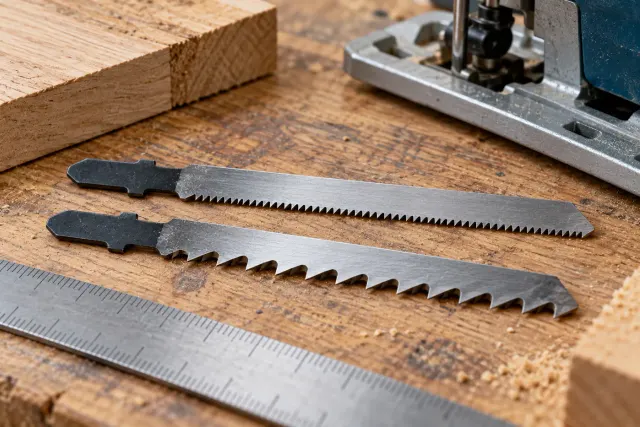
Understanding Jigsaw Blade TPI: Choosing the Right Tooth Pitch
Demystify TPI. Learn how tooth spacing dictates whether your saw produces a fast rough cut or a satin-smooth finish.
Read Step-by-Step Guide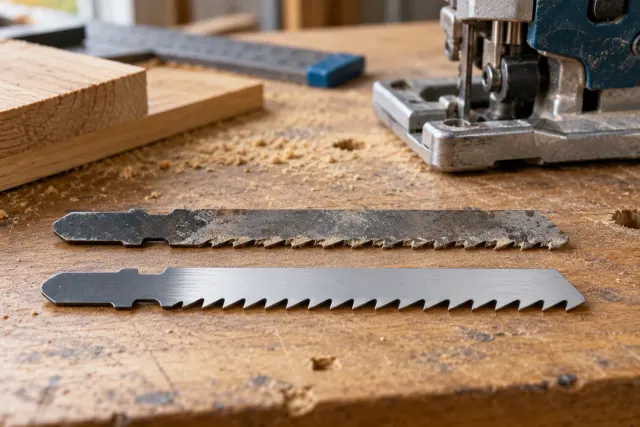
When to Replace a Dull Jigsaw Blade: 5 Telltale Signs
Stop pushing dull blades. Learn the 5 warning signs that indicate your jigsaw blade needs immediate replacement.
Read Step-by-Step Guide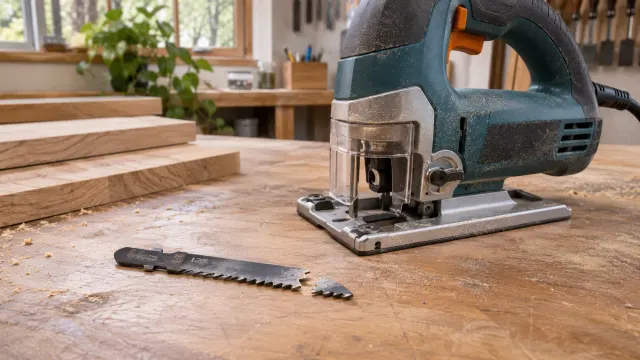
Why Jigsaw Blades Break: Common Causes and Prevention
Tired of snapping jigsaw blades? Learn the 4 primary mechanical causes of blade fracture and how to prevent them.
Read Step-by-Step Guide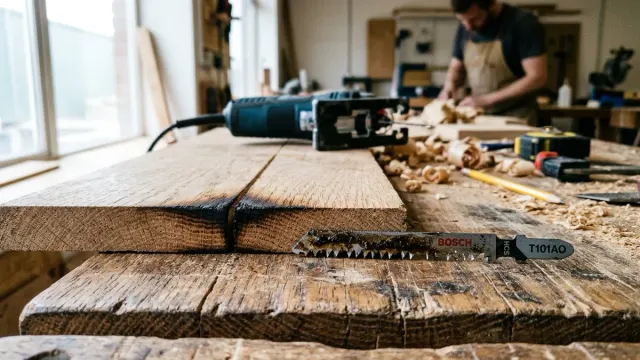
Why Your Jigsaw Burns Wood: Friction, Dull Blades & Prevention
Eliminate burnt wood edges, smoking kerfs, and ruined blades with these simple speed, blade, and orbital adjustments.
Read Step-by-Step Guide
Why Your Jigsaw Vibrates and Chatters: 5 Fixes for Smooth Cuts
Stop battling a jumping jigsaw. Learn how to diagnose and cure harsh tool vibration in 5 minutes.
Read Step-by-Step GuideQuick Cutting Defect Troubleshooting
Is your jigsaw not cutting cleanly? Diagnose common cutting defects in 30 seconds and resolve blade deflection, tearout, or overheating.
Cut Wanders or Bevels Away from Square 90°
Symptom: You guide the saw straight along your pencil line, but underneath the blade deflects sideways, leaving a slanted edge.
Excessive forward arm force bending the blade, or an undersized thin-kerf blade in dense hardwoods.
- Ease forward pressure: let the teeth cut at their own pace without pushing with your body.
- Swap to a thick-bodied heavy-duty blade (such as Festool S 75/4 FSG or Bosch T 101 D).
- Turn off orbital pendulum action (set to 0 or 1) to prevent blade wandering.
- Verify that the rear guide roller firmly captures the blade spine.
Melamine or Laminate Flooring Splinters on Top Face
Symptom: The finished laminate top face chips along the kerf, ruining expensive cabinet doors or flooring planks.
Standard jigsaw blades cut upward on the pull stroke, tearing wood grain as teeth exit the top face.
- Install a reverse-pitch down-cutting blade (like Bosch T 101 BR) that shears on the downstroke.
- For laminate flooring or vinyl planks, turn orbital action off and cut face-down.
- Apply painter’s masking tape firmly over your layout mark before cutting.
Smoke, Burning Smell, or Scorched Kerf Edges
Symptom: Dense hardwoods (white oak, maple, walnut) smoke intensely and burn black during cutting.
Dull cutter points or pitch/resin baked between tooth gullets, creating friction rubbing.
- Clean blades with denatured alcohol or pitch remover, or discard if teeth are worn.
- Avoid cheap unbranded blade bulk packs; invest in genuine bi-metal T-shank blades.
- In lumber thicker than 1 inch, engage orbital action at setting 1 to eject packed sawdust.
Jigsaw Bounces Violently and Vibrates Workpiece
Symptom: The base shoe clatters against the workpiece, causing wrist fatigue and losing cut accuracy.
Shoe plate not pressed flat against the board, or an unsupported thin sheet flexing like a drum.
- Clamp workpieces within 6 inches of the cutline to eliminate vibration resonance.
- Seat shoe plate firmly down against the stock before squeezing the trigger.
- Ensure at least 3 teeth are engaged with the workpiece thickness simultaneously.
Teeth Strip Instantly When Cutting Steel or Aluminum
Symptom: After cutting just a few inches through sheet metal or conduit, the blade stops advancing and teeth are bald.
Zero cutting lubricant and high stroke speeds generating friction heat that anneals steel teeth.
- Dial speed down to 1–3 on the variable wheel (under 1,500 SPM in metals).
- Set orbital action strictly to 0.
- Apply cutting fluid for steel or paraffin/wax along the cutline for aluminum.
- For aluminum profiles, use wavy bi-metal blades like Bosch T 127 D.
Countertop Sink Cutout Falls Prematurely & Snaps
Symptom: As you complete the final corner on a thick laminate countertop, the center cutout drops and snaps the laminate.
Lack of an underside bridging support cleat and using short blades in 1-1/2 in. stock.
- Screw a temporary wooden scrap cleat across the cutout underside so it stays suspended.
- Drill 1/2 in. relief holes in all four interior corners to relieve stress points.
- Use a long bi-metal blade (at least 4 inches) and seal cut edges with 100% silicone.